Vote YES for Q1 & Q2 on Nov 4 for Hopewell Valley’s Future
Our Community.
Our Schools.
Our Choice.
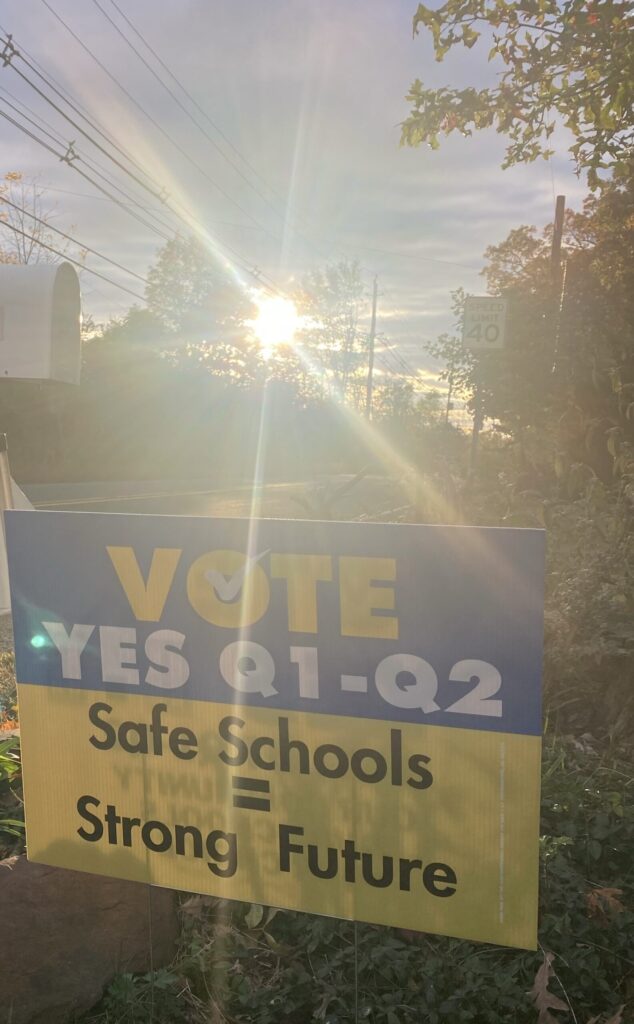
Safe Schools = Strong Future
In Hopewell Valley, we share a tradition of investing in each other. This November, your YES vote on Ballot Questions 1 & 2 will ensure safe schools for Hopewell kids to keep our community thriving.
Why Your Vote Matters
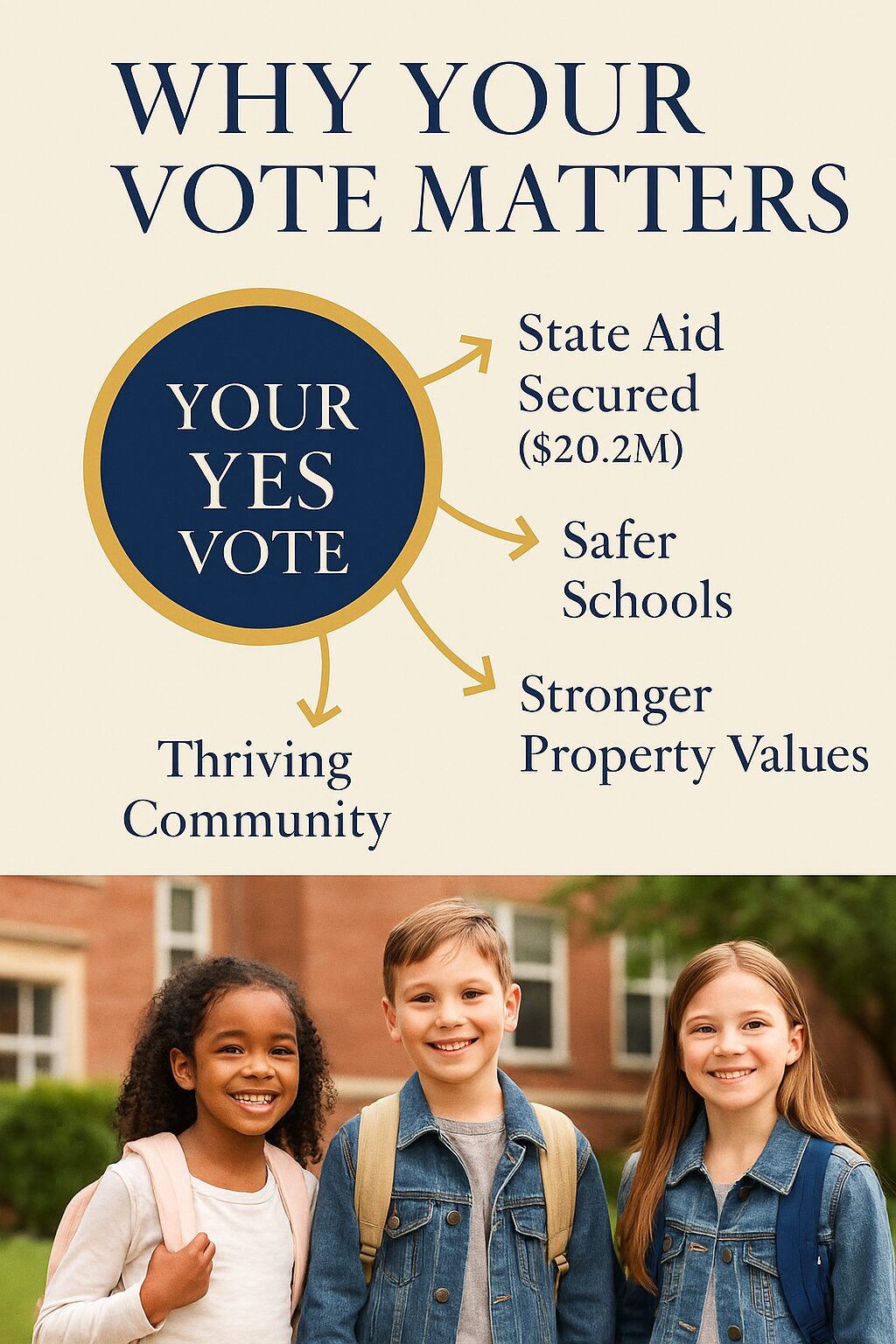
Every student deserves safe, modern schools—and your YES vote unlocks $20.2 million in state aid while protecting the property values and community strength that make Hopewell Valley exceptional.
Learn More →
The Plan: What’s In the Bond
Question 1 fixes critical infrastructure across all schools, while Question 2 adds the classroom space needed to end trailer learning and minimize extensive redistricting—both focused only on what matters most.
Learn More →
What A YES Vote Means
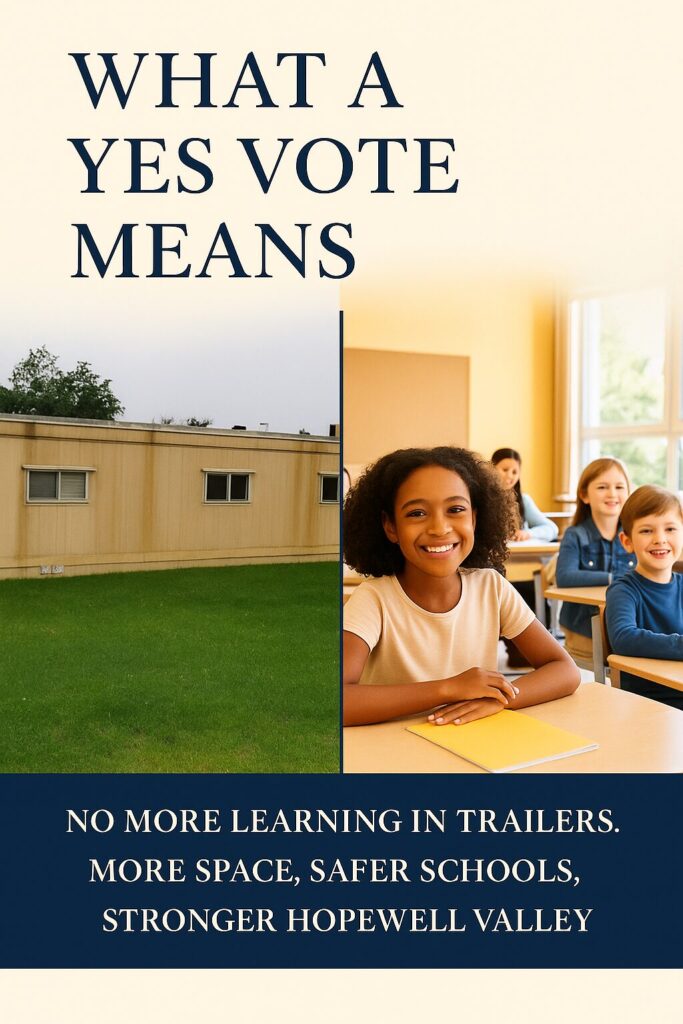
Discover how voting YES delivers more than new classrooms—it means balanced class sizes, fewer emergency repairs, accountable investment, and long-term tax savings through smart planning.
Learn More →
Why Your Vote Matters
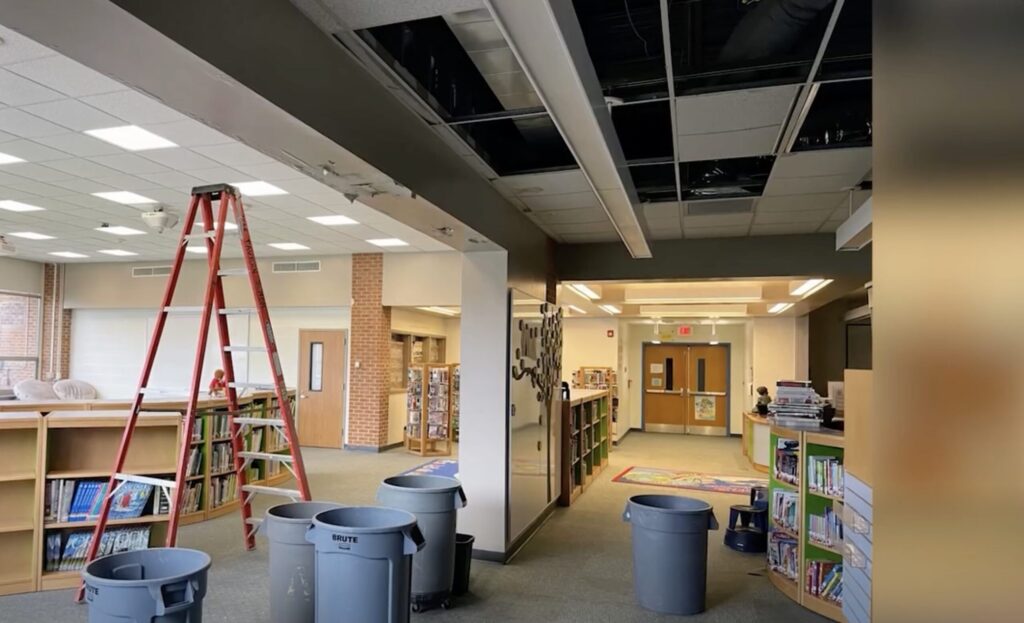
Every Student Deserves Safe, Modern Schools.
Overdue repairs and crowded classrooms threaten learning. A YES vote equals safer, updated spaces for all.
Protecting Our Values and Community Strength.
We’re known for our excellent schools—this vote keeps Hopewell Valley’s future bright.
Leveraging State & Local Support.
Only a YES ensures that Hopewell Valley secures the full $20.2 million in state aid available for these projects.
Our Schools = Our Property Values & Local Economy.
Good schools raise everyone’s home values, attract new families, and build a stronger Hopewell Valley.
The Plan: What’s In the Bond
Focused on What Matters Most.
The revised plan on the ballot this November is purely for critical facility needs—classroom space, safety updates, basics like HVAC and roofs, and accessibility.
Question 1: Health, Safety, Comfort
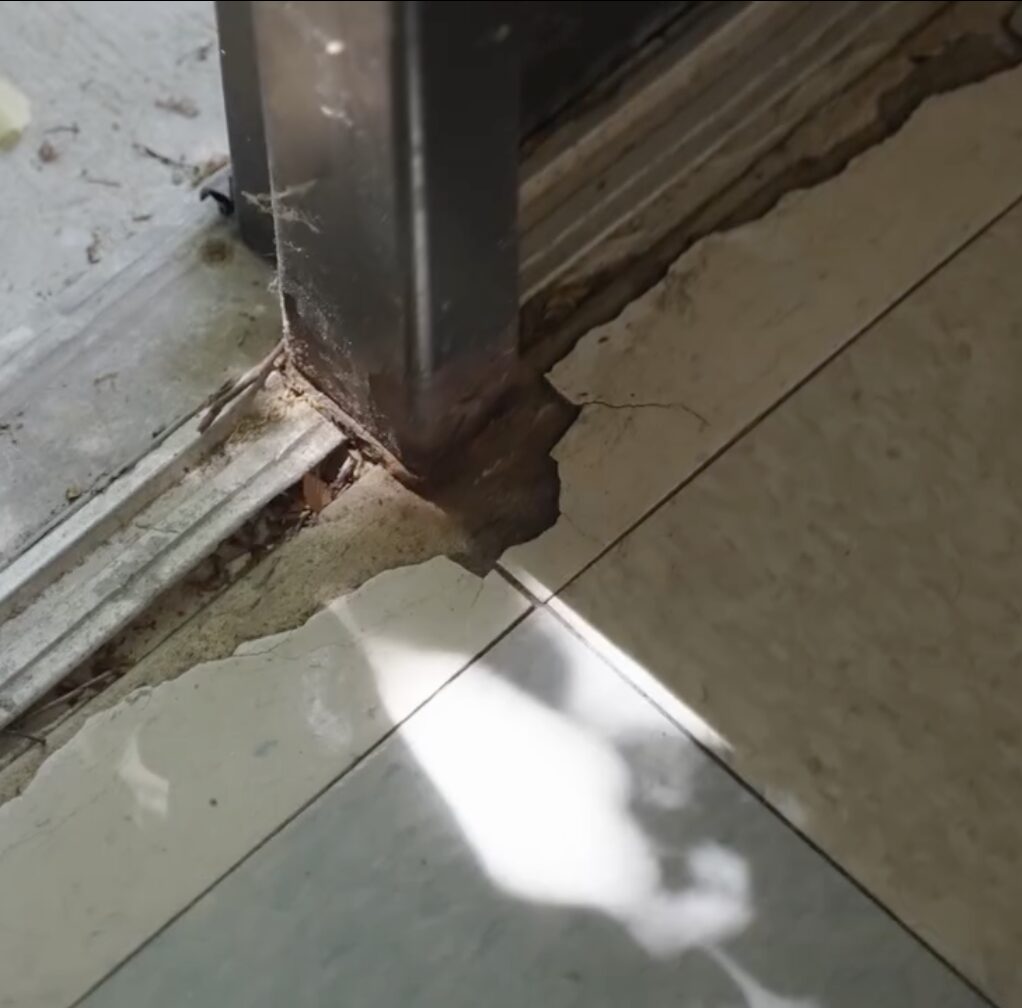
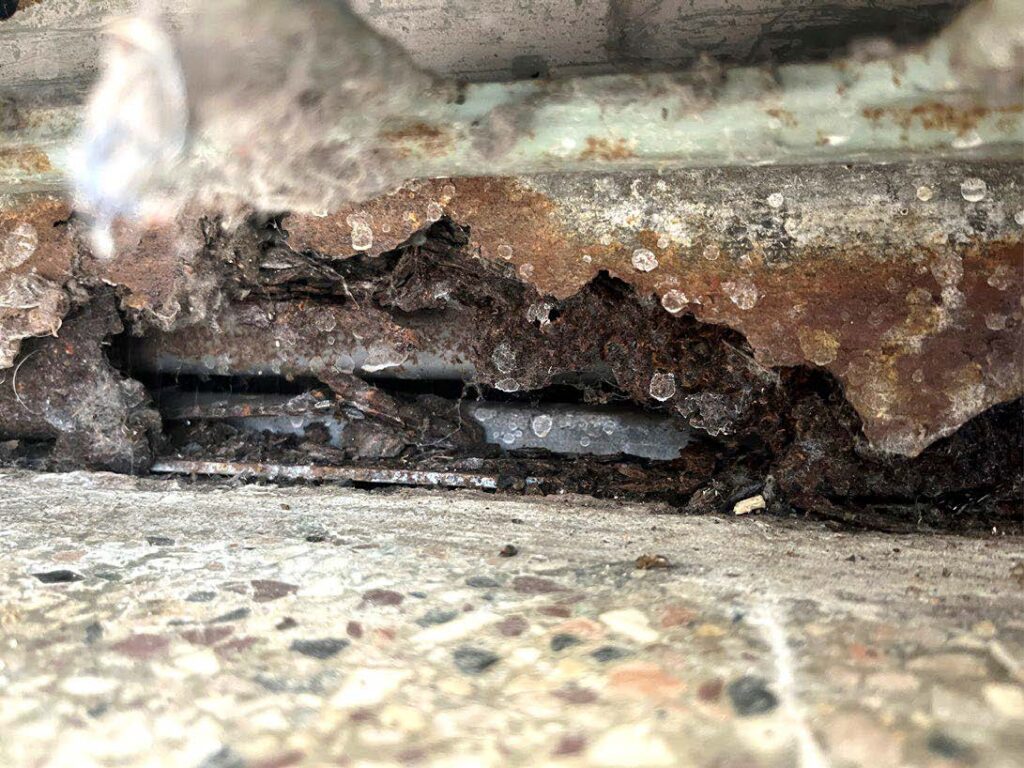
– Replace failing roofs, HVAC, doors, and more
– Upgrade deteriorating bathrooms/cafeterias, secure spaces, and improve accessibility
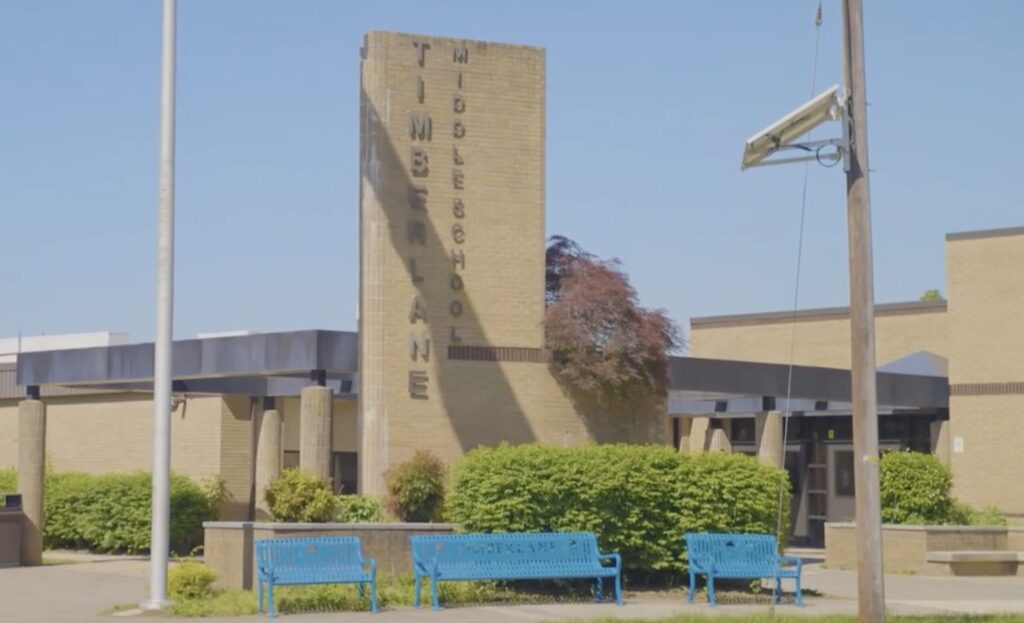
– Install backup well systems at Bear Tavern and Timberlane Middle School
Question 2: Making Room for Every Child
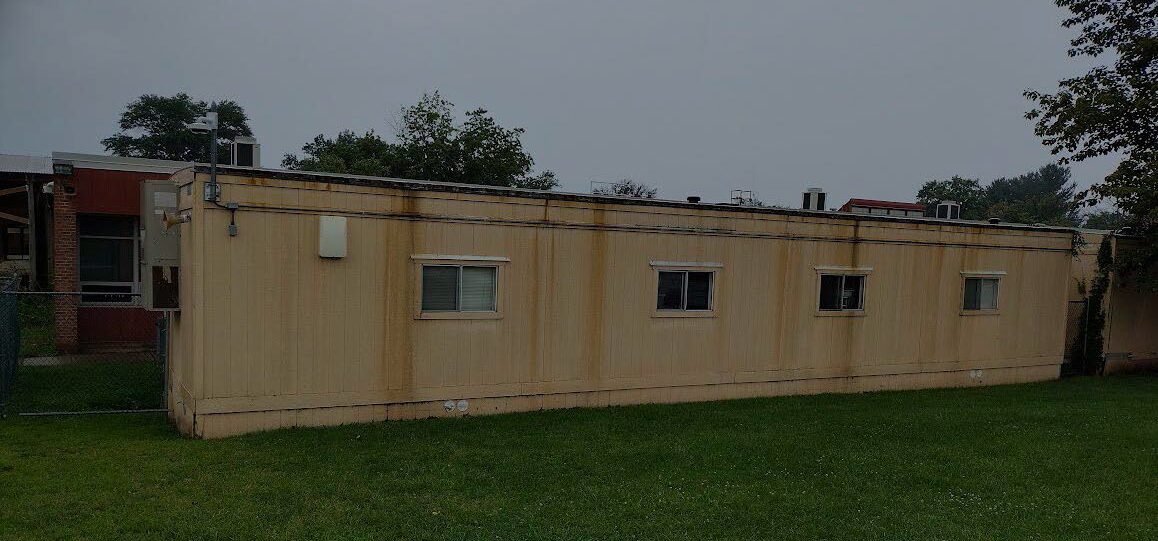
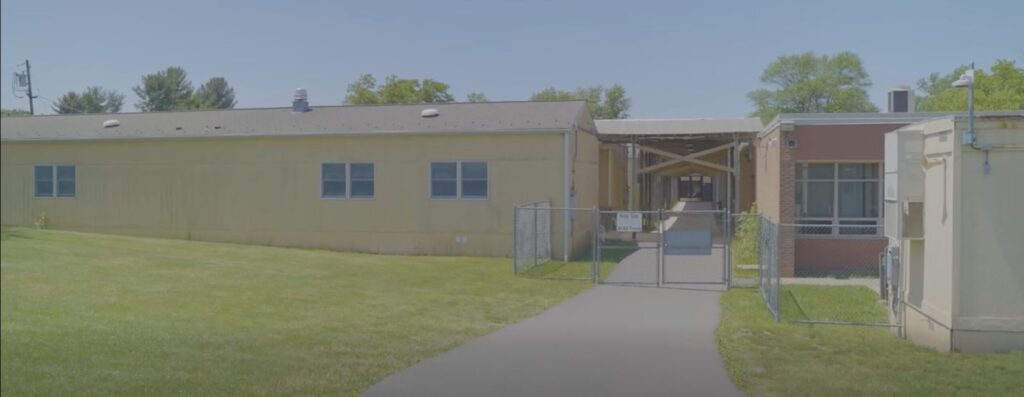
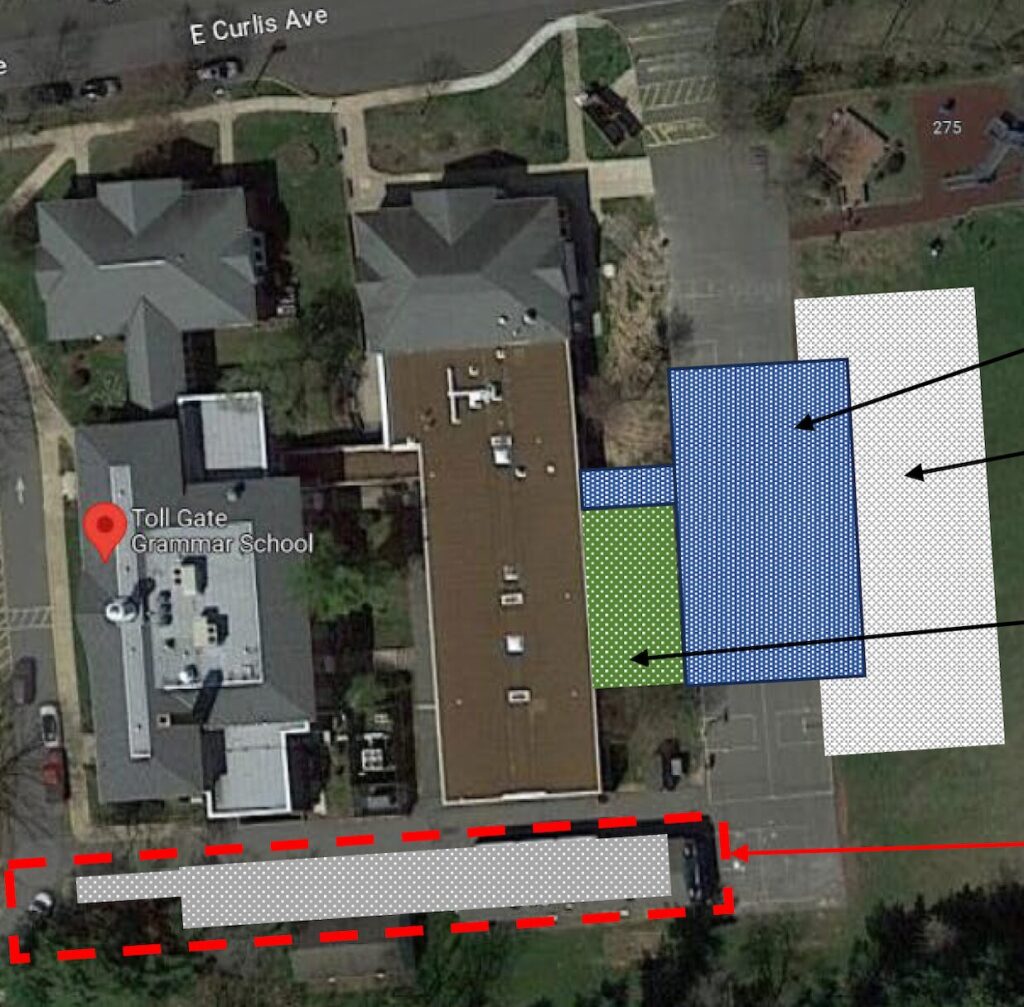
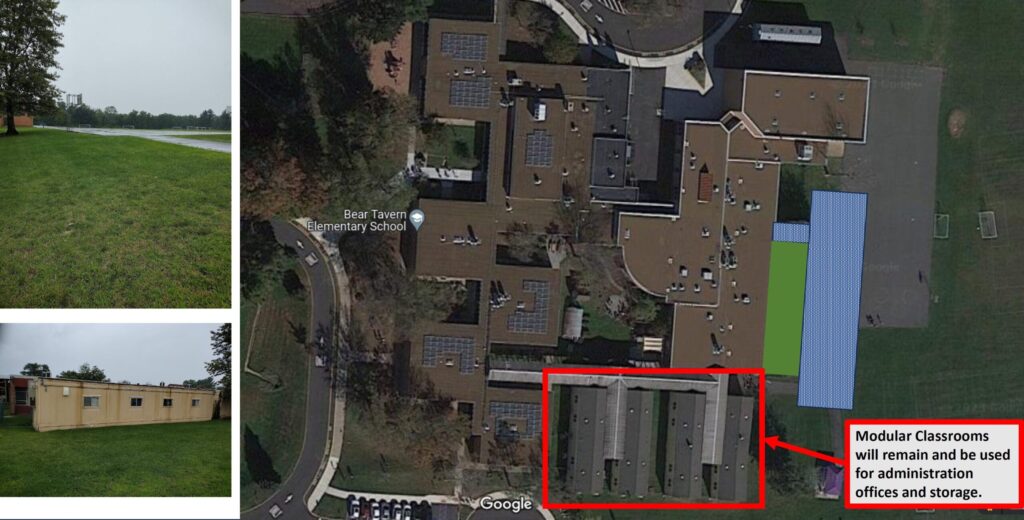
– Add 14–16 new classrooms, move students out of deteriorating 30-year old temporary trailers
– Provide spaces for small-group teaching, student health, well-being
– Prepare for enrollment growth—and minimize extensive redistricting and overcrowding
What A YES Vote Means
More Space, Less Overcrowding:
No more learning in modular trailers. More space for students and balanced class sizes in all of our schools.
Minimize redistricting if Q2 is approved
Some students zoned for Toll Gate have recently had to be placed at Hopewell Elementary or Stony Brook because there was no room. Bear Tavern is seeing huge enrollment increases as well.
Fewer Crisis Repairs, More Learning Time:
Prevent facility breakdowns and class disruptions.
Direct, Accountable Investment
All projects are community-reviewed and publicly listed.
Property Values & Future-Proofing Hopewell
Modern schools keep home values up and HVRSD competitive.
Tax Savings in the Long Run
Upfront investment with state and PILOT funding costs far less than waiting for more repairs and emergencies. Because taxes are based on a home’s assessed value—usually below market value—the real impact is modest while securing lasting, modern schools for our community.
Community Impact
Strong Schools, Strong Community
Investing in Hopewell Valley schools strengthens more than classrooms—it strengthens our entire community. High-performing schools protect property values, attract new families, and sustain the vibrant, connected community we all value.
Shared Quality of Life
These improvements mean safer buildings, energy efficiency, and reduced maintenance costs, benefiting every taxpayer. Whether or not you have students in the district, quality schools directly influence home values and quality of life across all three towns.
Built for the Future
This referendum ensures our schools remain modern, safe, and welcoming for generations, securing Hopewell’s reputation as one of New Jersey’s most desirable places to live.
Frequently Asked Questions
What specific needs does this referendum address?
Overcrowding, system breakdowns, aging infrastructure, and future enrollment—all verified by public assessment and community feedback.
Why can’t the district use reserves or the annual budget?
Property taxes are capped at a two percent increase each year and teachers’ salaries and healthcare costs are far outpacing the two percent increase. There is no way to meet these needs and save enough money for major capital improvements. Major capital work is too large for the annual budget and reserves, and reserves are limited by law to specific uses.
What about PILOT funds?
The $16.1M PILOT from Hopewell Township will help offset the Bear Tavern expansion if available, but can’t fully fund the project on its own and is still pending litigation. It is intended to reduce the shared tax burden over time. However, even if litigation is resolved, the $16.1 million is contingent upon Question 2 being approved by voters.
What happens if we wait or vote NO?
If we vote NO, the referendum fails and the district loses access to $36.3 million in available support—including $20.2 million in state aid that only comes with voter‑approved funding and $16.1 million in PILOT relief that would otherwise help pay down debt for the Bear Tavern expansion once litigation concludes. Without that combined financial support, all project costs fall entirely on local taxpayers. Meanwhile, costs will rise due to inflation and continued emergency repairs, classrooms will remain overcrowded, and students will still need to be redistricted or taught in trailers. Space shortages, system breakdowns, and growing enrollment pressures will continue to disrupt education and strain the district budget.
Addressing Opposition Arguments
“We’re Taxed Enough Already.”
Voting YES is the fiscally responsible choice—it brings home $20.2 million in state aid that only comes with voter approval and prevents taxpayers from shouldering 100% of the cost later. Delaying construction means higher expenses from inflation and emergency repairs, turning today’s manageable investment into tomorrow’s much larger tax burden. By acting now, we leverage state funding, stabilize long‑term costs, and protect property values—because deteriorating schools and overcrowded classrooms hurt the entire community, whether or not you have children in the district.
“Use reserves/cut spending only.”
Reserve and regular budgets can’t cover these urgent, multi-million-dollar needs. Without the bond, we would have to take money away from classrooms, staff, or programs. The district’s operating budget and capital reserves cannot support the kind of large‑scale construction and infrastructure projects included in this referendum. Those funds are limited to smaller maintenance work and emergency expenses, not multimillion‑dollar initiatives like new roofs, HVAC replacements, or school additions. Importantly, the state only reimburses a significant share of project costs—typically up to 40 percent for eligible construction or system upgrades—when voters authorize bond funding. Without voter approval, the district forfeits this aid and would have to draw directly from classroom budgets or staff resources to address failing systems and overcrowding. Passing the referendum ensures that these costs are financed responsibly, with state contributions reducing what local taxpayers must fund.
“Just patch/repair instead of expand.”
Temporary fixes are no longer a solution. Many of HVRSD’s roofs, HVAC systems, and building components have reached or exceeded their useful life—and warranty coverage has mostly expired. Each emergency repair costs more, disrupts learning, and fails to prevent the next breakdown. Replacing only what’s broken wastes taxpayer money without solving the root problem. Likewise, modular trailers were never intended as permanent classrooms—they are costly to maintain, less secure, and inadequate for modern instruction. The proposed bond allows the district to address these end‑of‑life systems comprehensively, eliminate trailers, and expand learning space once, the right way—reducing future emergency expenses and keeping schools safe and functional for decades.
“Why invest now?”
Every year we wait, construction costs rise due to inflation, material shortages, and labor increases—making these same projects millions more expensive later. Meanwhile, equipment failures and emergency repairs drain the annual operating budget, taking funds away from classrooms and students. By acting now, we lock in $20.2 million in state aid that only comes with voter approval, protect against rising costs, and ensure our schools remain safe, efficient, and competitive. Because the district receives minimal state aid for its regular annual budget, this referendum is Hopewell Valley’s opportunity to bring our fair share of state funding back to the community—money that we lose entirely if the vote fails. This is Hopewell Valley’s best—and most cost‑effective—chance to invest in long‑term solutions before the window of opportunity narrows.
“Schools spend too much already.”
The referendum targets only vital repairs and space for projected growth, not luxury projects. Over 90% of district revenue already comes from local taxpayers, with state and federal support covering less than 8%. The referendum isn’t about new programs or luxuries—it’s about replacing end‑of‑life systems, fixing critical infrastructure, and providing safe, modern classrooms for a growing community. These are one‑time capital expenses, not recurring costs, and they can’t be paid for within the regular operating budget. Approving the bond allows the district to secure state aid—about 40% reimbursement on eligible projects—and avoid even higher local costs in the future. Strong schools protect every homeowner’s investment by keeping property values high and the community competitive.
“You should vote yes to Question 1, but not Question 2.”
Voting yes on Question 1 alone would fund critical infrastructure—replacing aging HVAC systems, repairing roofs, and improving safety—but it would not solve the urgent space challenges already impacting students. While Question 1 is still eligible for $19.9 million in state aid, stopping there leaves overcrowding unaddressed, students stuck in aging trailers, and redistricting inevitable. Passing Question 2 unlocks the additional $333,000 in state aid that completes the $20.2 million total, creates 14–16 new classrooms at Bear Tavern and Toll Gate, and ensures every elementary child learns in a permanent, well-equipped space.
The PILOT funds from Hopewell Township—worth up to $16.1 million—are not guaranteed and cannot be used unless Question 2 is approved, since there would be no Bear Tavern project to apply them toward. Even when those funds eventually become available, they will not replace the referendum; they will be used only to help pay down the debt service, reducing taxes over time. Simply put, Question 1 maintains our schools—Question 2 ensures they grow with our community and remain among the region’s best places to learn and live.
“A yes vote on Q2 is not necessary because the PILOT funds have been promised by the township for the Bear Tavern addition.”
A “yes” on Question 2 allows building to start immediately, rather than waiting on the PILOT funds. PILOT funding is a promise for the future, but as the litigation continues, the need for space is here now. When the PILOT funding eventually comes through, it will be used to pay down the referendum debt service, which at that time will correspond to a tax alleviation.
“A yes vote on Q2 is not necessary because the Toll Gate addition, unlike the Bear Tavern addition, is not supported by current enrollment numbers.”
Toll Gate is the smallest school in the district, and many of its classrooms are smaller than those at other elementaries. While growth has been most visible at Bear Tavern and Stony Brook, the ripple effect is reaching every school—including Toll Gate, which is already at capacity. Some students zoned for Toll Gate have recently had to be placed at Hopewell Elementary or Stony Brook because there was no room in their grades, showing the space shortage is already here—not in the future. The school also lacks a dedicated STEM or Spanish room, and both its Media Center and Art Room have been turned into classrooms. Removing the two aging trailers will eliminate three more classrooms, making the planned six‑classroom addition crucial to restore space and flexibility. Question 2 also funds essential updates—a new nurse’s suite with an ADA‑accessible bathroom, improved student and staff restrooms, and a physical education office with a student bathroom—ensuring Toll Gate remains safe, functional, and ready to serve growing enrollment.
There are Multiple Ways to Cast your Vote
The voter registration deadline was: Tuesday, October 14, 2025 (online, by mail, or in person). If you missed it, get your friends and family out to vote!


Early Voting
Saturday, October 25 – Sunday, November 2
Hours: 10 a.m. – 8 p.m. (Mon.-Sat.) and 10 a.m. – 6 p.m. Sunday.
Our closest early voting location is Pennington Fire Co.,
120 Broemel Place, Pennington, NJ 08534.
Residents may also choose any of the 8 early voting locations listed here.

Mail-In Ballot
Returning your Mail-in Ballot:
1. By mail: Must be postmarked by 8 p.m. on November 4 and received by the Mercer County Board of Elections by November 10.
2. In person or drop box: It can also be delivered to a secure ballot drop box or the Board of Elections office by 8 p.m. on November 4.
If you plan to vote by mail and have not applied, the deadline is approaching: October 28th by mail or November 3rd for in-person. Here is the application.
Track your ballot: You can track the status of your mail-in ballot online at nj.gov/state/elections